
I was never a professional carpenter, but lately I kept catching myself thinking: “I need to fix the ventilation, build a work corner, assemble a tool cabinet…” Every time I went to a big online store, I came home with 2–3 boxes and a feeling that I’d overpaid by at least half.
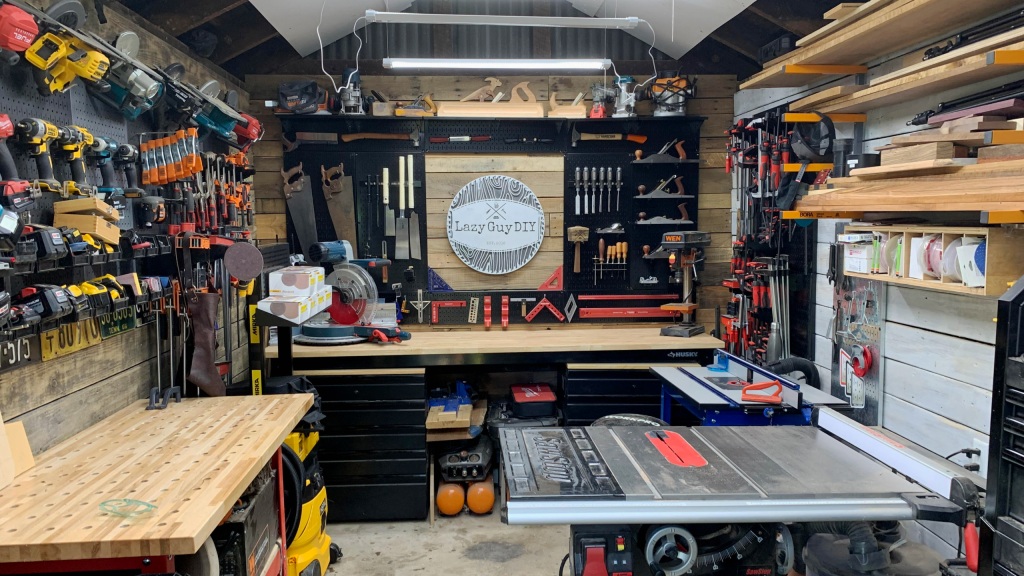
Then a project came along that I couldn’t postpone anymore: I had to assemble a rack/stand for my equipment at home for my small business. Everything I found in local shops was either too expensive, too flimsy, or just didn’t match my dimensions and load requirements.
And then, while browsing through a page of tools, I stumbled upon a website I hadn’t heard of before: Vevor.
What Vevor actually is (and how to avoid overpaying for tools)
Vevor is not just another “cheap Chinese marketplace”, but a specialized brand and platform for home improvement and DIY projects: tools, racks, shelves, machines, garden gear, automotive accessories, and more — over 20,000 products for home, garage, and workshop use.
Here’s what shocked me when I first landed on vevor.com:
- a huge range: from compact sanders to industrial stamping machines;
- prices that make the logic clear: “Why pay twice as much if you can get almost the same thing for half?”;
- flexible logistics: Vevor now serves over 20 million customers and ships from more than 200 warehouses worldwide, which in practice means relatively fast and predictable delivery.
I didn’t pull the trigger immediately, but after reading independent reviews that highlighted the strong price‑to‑quality ratio and fast delivery, I decided to risk it on one relatively small order: a rack plus mounts for my equipment stand.
How my first Vevor order started
I opened vevor.com, switched the language to my own, and started searching for something like “tool rack” or “workbench”. Within a few minutes I was already reading descriptions, watching videos, and comparing load capacity and materials.
Here’s what I liked right away:
- clear filters and categories by tool type;
- photos in real‑world settings (not just studio shots);
- options with different sizes and configurations, plus a compare feature for multiple models in one window.
In the end, I chose a metal‑frame tool rack with adjustable shelves, casters for mobility, and straightforward assembly instructions. I needed:
- weight capacity per shelf;
- wheels for moving the rack around the garage;
- an easy assembly guide so I wouldn’t have to guess which bolt goes where.
It wasn’t hard to pick, because the site is structured so that even if you’re not an engineer, but just a home‑dweller who wants to build something, you can still make sense of it.
What happened in real life
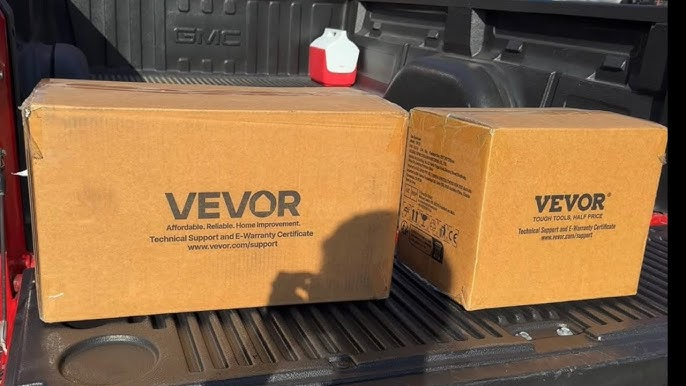
A few days later, I got the tracking number, then the boxes. Everything was packed tightly, without unnecessary extras. The instructions included with the rack had clear diagrams and step‑by‑step instructions, so I assembled the stand in one evening—no stress, no guessing.
Today that rack sits in my garage, holding several heavy machines and tools that usually just sit in cardboard boxes. Visually, it looks like something I bought from a high‑end specialty store, not something I assembled myself.
How Vevor helped me save both time and money
For anyone just starting to build a home workshop, here’s my honest breakdown:
- Instead of buying three separate shelves, plus brackets and rails for each, I ordered a complete rack with pre‑engineered load and mounting—all in one go.
- Instead of hunting for items across multiple sites, I found the rack, fasteners, and accessories I needed for a single project all on Vevor.
- Instead of overpaying at a branded‑name store, I chose an option that performs just as well but costs noticeably less.
By my calculations, I saved about 30–40% of the budget I had planned for this project if I’d gone to a traditional offline store.
A practical tip for people who want to start a “mini‑workshop”
If you’re not a builder or a pro, but you just want it to be comfortable at home—to fix things, build things, and generally do DIY projects:
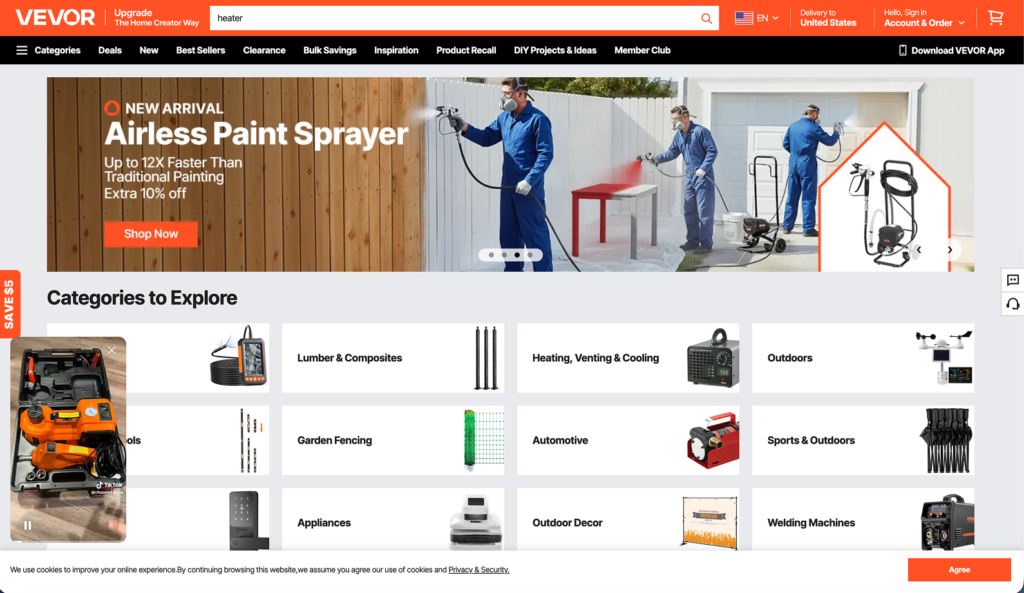
- Go to vevor.com and pick the category closest to your project (Tools, Workshop, Storage, Garage, Outdoor, etc.).
- Start with one main piece instead of a full setup. For example, a tool rack or machine stand.
- Pay attention to load capacity, material, and dimensions—this helps avoid buying something “pretty but impractical.”
- Use filters by price, rating, and shipping to your country.
- Read reviews, especially those describing real‑world use over several months—this gives you a better sense of durability.
Conclusion: Vevor is not a magical store, it’s a practical tool
Vevor won’t instantly turn you into a pro woodworker, but it lets you quickly and affordably build a work corner, garage, or workshop area where before there was just a pile of old boxes and random stuff.
If you’ve been putting off a project, thinking, “It’s probably expensive anyway,” it’s worth spending a few minutes on vevor.com, choosing one truly essential item (a rack, a shelving unit, a workbench, a stand, garden tools) and seeing how fast your home or garage changes when you add order instead of chaos.